News

Latest news and updates from our company

Yongan Pharmaceutical Adds Another Core Technology, Continuously Strengthening its Core Competitiveness in the Taurine Field
2026-04-21

Yongan Pharmaceutical Adds Another Core Technology, Continuously Strengthening its Core Competitiveness in the Taurine Field

Recently, Qianjiang Yong'an Pharmaceutical Co., Ltd. was granted an invention patent certificate by the State Intellectual Property Office for "A Method for Simultaneously Preparing Taurine, Methyltaurate, and Methyltaurate" (Chinese Invention Patent, Patent No.: ZL202310990015.6). This patent further solidifies the company's independent intellectual property rights in the taurine field, injecting strong momentum into the company's development within the industry.As a core enterprise in the taurine field, Yong'an Pharmaceutical has always taken technological innovation as its core engine, continuously deepening its research and development in taurine production processes and technologies. This invention patent achieves process innovation for the simultaneous preparation of multiple high-value products, not only improving production efficiency and product quality but also strengthening the company's core technological barriers, effectively protecting independent intellectual property rights, enhancing core competitiveness, and helping taurine products continuously enhance their brand influence in the international market.Throughout its journey, innovation and intellectual property have become the distinctive features of Yong'an Pharmaceutical's high-quality development. To date, the company holds over 50 authorized taurine patents, including 39 invention patents covering major markets such as China, the United States, Europe, Japan, and Indonesia, forming a comprehensive international intellectual property protection system. The company comprehensively promotes the construction of the entire chain of intellectual property creation, utilization, protection, and management, strengthens the protection of trade secrets, and ensures that intellectual property truly becomes a "key weapon" for participating in market competition, providing a solid guarantee for the company's sustainable development.Intellectual property is the lifeline of an enterprise and a direct manifestation of its core competitiveness. In the future, Yong'an Pharmaceutical will continue to use independent innovation as its engine, continuously increase R&D investment, deepen technological breakthroughs, and constantly improve its intellectual property strategic layout. It will transform more innovative achievements into market advantages, continuously consolidate its technological and market advantages in the taurine field, empower the industry with technology, protect development with patents, and contribute to the high-quality development of the industry. Mobile: +8615380400285 E-mail: sales2@liwei-chem.com Website: www.yongan-pharmaceutical.com

Read More

Breaking Through from the Source: Yong'an Pharmaceutical and its Subsidiary Yong'an Kangjian Launch Three Major Sports Nutrition Ingredient Brands
2026-04-21

Breaking Through from the Source: Yong'an Pharmaceutical and its Subsidiary Yong'an Kangjian Launch Three Major Sports Nutrition Ingredient Brands

As the sports nutrition market transitions from "wild growth" to "refined cultivation," a fundamental question emerges: what technological foundation underlies products that tout high efficiency and purity? The answer lies at the very top of the industry chain. In the sports nutrition field, the ability to control the source determines the quality boundaries of the final product. Yong'an Pharmaceutical, together with its subsidiary Yong'an Kangjian, leveraging its deep global expertise in raw materials, officially launched three strategic ingredient brands—INNO-MUSCLE® Creatine Monohydrate, INNO-IMMUNE® Hydrolyzed Ovalbumin, and Taurisync® Taurine. This is not merely an expansion of the product matrix, but a complete value reshaping of the entire industry chain from source to end-user. INNO-MUSCLE® Creatine Monohydrate: When "Purity" Becomes a Technological Belief Creatine is a recognized Class A supplement ingredient in sports nutrition, synonymous with strength and endurance. The evaluation criteria for creatine quality focus on three core indicators: content, dicyandiamide, and creatinine. Dicyandiamide is a key byproduct in the creatine production process and a core benchmark for measuring process quality. Most creatine products on the market have a dicyandiamide content between 50-200 ppm, while INNO-MUSCLE® creatine monohydrate offers a more technologically advanced solution. Cretinine, an impurity produced during the degradation of creatine under humid and hot conditions, is an important indicator of product shelf stability. INNO-MUSCLE® creatine monohydrate employs an optimized crystallization process and packaging solution to effectively inhibit creatinine formation, ensuring high product stability throughout its shelf life. As a drafter of creatine industry standards, Yong'an offers several product options: Cretinine Monohydrate (Regular): Creatine monohydrate content ≥99.97%, meeting basic application requirements. INNO-MUSCLE® Creatine Monohydrate - Type I (Standard): Creatine monohydrate content ≥99.99%, dicyandiamide ≤100ppm, creatinine ≤100ppm, meeting mainstream international standards and satisfying the basic needs of mass fitness. INNO-MUSCLE® Creatine Monohydrate - Type II (Pure Grade): Creatine monohydrate content ≥99.99%, dicyandiamide content ≤10ppm, creatinine ≤50ppm. This benchmark standard, far exceeding industry norms, provides professional athletes and high-end brands with a quality commitment comparable to top international standards. Functionally, it not only enhances muscle elasticity, reduces the risk of sports injuries, and promotes post-workout repair, but also helps regulate metabolic levels and intervene in sarcopenia in middle-aged and elderly individuals, extending its application from sports nutrition to senior health and daily health management. It is precisely because of the superior quality of INNO-MUSCLE® Creatine Monohydrate that Muscle Doctor® uses it as a core ingredient, achieving a closed-loop quality system from source to end, winning widespread market recognition with its outstanding product strength, and becoming the leading brand in national sales of creatine products. INNO-IMMUNE® Hydrolyzed Egg Whey Protein: Breaking Import Dependence If creatine is the engine of power, then protein is the cornerstone of repair. For a long time, whey protein has held the top spot in sports nutrition, but the emergence of INNO-IMMUNE® Hydrolyzed Egg Whey Protein is changing this landscape. This product uses chicken egg whey protein as its raw material, boasting a protein content of up to 84%. Through targeted enzymatic hydrolysis technology, it constructs a multi-molecular-weight synergistic protein structure system: ◎ Small molecule peptides (<1000Da) account for approximately 30%, achieving rapid absorption; ◎ Medium molecule peptides (1-10kDa) account for approximately 28%, ensuring continuous supply; ◎ Large molecule proteins (>10kDa) account for approximately 42%, achieving sustained release. This scientific formulation endows the product with high bioavailability and low gastrointestinal burden. Data from multiple dimensions further confirms its competitiveness: First, higher utilization rate. Egg protein's protein efficiency ratio (PER) ranks among the highest of all natural proteins. Based on this advantage, INNO-IMMUNE® hydrolyzed ovalbumin achieves a net protein utilization rate of 94.7%, 4.3 percentage points higher than whey protein. Second, its functional performance is comparable to whey protein. Functional evaluation studies from Jiangnan University show that INNO-IMMUNE® hydrolyzed ovalbumin performs similarly to whey protein in terms of time to exhaustion, post-exercise blood lactate concentration, and muscle glycogen recovery; and in the four core dimensions of SOD (antioxidant), LDH (cell protection), IL-6 (inflammatory signal), and IL-10 (anti-inflammatory recovery), they are highly synchronized. Furthermore, its branched-chain amino acid (BCAA) content is even higher than that of whey protein, providing a superior amino acid profile for muscle growth and immune support. Third, it offers a significant cost advantage. It reduces costs by more than 30% compared to regular whey protein and by more than 50% compared to whey protein isolate. More importantly, it uses 100% domestically produced, stable-supply raw materials, completely eliminating import dependence. Fourth, it offers a superior preparation experience. Whey protein often has a milky taste, tends to clump when mixed, and is prone to precipitation at high temperatures; while INNO-IMMUNE® hydrolyzed egg white protein boasts excellent processing adaptability: a mild taste, instant dissolution without clumping, stable dissolution above 80℃, and suitable for both hot and cold drinks and baking. With its zero lactose, zero cholesterol, heat-resistant and instant solubility, high absorption rate, and controllable cost, INNO-IMMUNE® hydrolyzed egg white protein is becoming an ideal choice for sports nutrition, senior citizen nutrition, weight management, and daily nutrition. Taurisync® Taurine: 25 Years of Deep Cultivation, Serving the World In Yong'an's raw material matrix, Taurisync® taurine holds a special place. Its specialness lies not only in the product's quality but also in the depth of its underlying industry. Global Patented Technology Moat: Its independently developed patented production process has obtained invention patent authorizations in China, the United States, Europe, Japan, and other countries, building a solid technological barrier. Large-scale and stable supply: With an annual production capacity of 78,000 tons, modern production lines and a mature supply chain system ensure stable supply to meet the large-volume procurement needs of global customers. Strict quality assurance: Patented technology ensures high-quality taurine, with all indicators exceeding pharmacopoeia standards, continuously serving major global brands. In the context of sports nutrition, Taurisync® taurine demonstrates unique synergistic value in relieving exercise-induced fatigue, protecting cardiomyocytes, and promoting post-exercise relaxation by regulating cell osmotic pressure, maintaining calcium ion homeostasis, and exerting endogenous antioxidant effects. Its applications cover sports nutrition, animal nutrition, and dietary supplements, providing core support for the development of functional beverages, pet food, and health foods. The sports nutrition market is never short of concepts; what it lacks is the technological strength and supply chain assurance to bring those concepts to fruition. As the core vehicle for Yong'an Pharmaceutical's strategic layout in the health industry, Yong'an Kangjian has built a closed-loop industrial chain from upstream raw materials and midstream manufacturing to downstream branding. Upstream, the company is built upon its proprietary patents and massive production capacity; midstream, it has created a high-quality raw material matrix centered on taurine, creatine, and protein, and possesses intelligent manufacturing capabilities for all dosage forms, including tablets, powders, gummies, soft capsules, hard capsules, and liquid beverages; downstream, it precisely reaches diverse consumer groups through a mature brand matrix and market solutions. In an industry cycle fraught with uncertainty, certainty is the scarcest competitive advantage. Yongan Kangjian, driven by "raw materials + manufacturing + brand," transforms its supply chain advantages into a stable channel for brands from source to end consumer. When technological strength and supply chain security converge, we are willing to work with every partner to define the next decade of sports nutrition. Mobile: +8615380400285 E-mail: sales2@liwei-chem.com Website: www.yongan-pharmaceutical.com

Read More
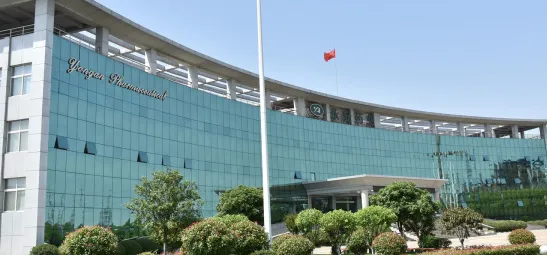
Qianjiang Yongan Pharmaceutical Co., Ltd. - The "Big Boss" Behind Energy Drinks
2026-04-21

Qianjiang Yongan Pharmaceutical Co., Ltd. - The "Big Boss" Behind Energy Drinks

 Every day on our factory floor, you can hear the hum of stainless steel reactors and the rush of water lines feeding purifying columns. Behind these walls, chemistry unfolds on an industrial scale. In our sector, headlines rarely focus on the chemical roots of familiar consumer products, though without precise, disciplined manufacturing, those products wouldn't fill shelves or reach hands. The buzz around energy drinks continues to grow, and our company, Qianjiang Yongan Pharmaceutical Co., Ltd., supplies what sits at the core of most formulas—the ingredients that drive their performance claims.  Our history as a direct manufacturer grounds us daily in the realities that shape this industry. We process, refine, and control quality at source, standing cage-to-cage with every reactor. We produce taurine—one of the most widely used functional nutrients in beverages. Taurine comes from a meticulous chain of chemical reactions, demanding a stable environment, high-purity raw materials, and process controls tied to real-time analytics. Even slight temperature swings, a slip in reagent dosing, or unnoticed pressure blips mean a whole batch could fall below spec or be discarded. We know the weight of any mistake because it lands right on our doorstep. Only by meeting our own rigorous internal standards—alongside Chinese and international regulations—do we release a ton of product.   Energy drink brands bank on consistency and performance. Consumers expect each can to deliver the same sensation, whether cracked in Shanghai or London. If ingredient quality wavers, or contaminants slip past filtration, those brands risk not just a recall, but lasting reputation damage. Our day-to-day work shapes consumer trust, even if most never see our company name printed anywhere. The molecular clarity and purity of taurine in a can of Red Bull or Monster hinge on controls set into motion months earlier at our plant. One contaminated shipment anywhere in the pipeline could end up costing millions or land at the center of a global supply scare.  Supply chain security, especially in pharmaceuticals and food ingredients, demands investments in traceability, batch tracking, sealed packaging, and sample archiving. We log every critical quality attribute at every process stage, cross-referencing analytical results with external labs frequently and pushing suppliers to meet documentation benchmarks. Trace residues of heavy metals, solvent residues, and microbial contamination show up in sensitive industries more often than most headlines suggest. Any breach not only undercuts our customers, but also forces a reckoning in our own process controls. The pressure to preempt missteps runs high when bottles and cans move at the fast pace energy drinks require.  Each ingredient batch leaving our plant mirrors months of logistic planning. Price shocks ripple through the market when raw input prices jump—sulfur, for instance, directly feeds into taurine synthesis. Natural disasters or trade slowdowns block delivery timelines and squeeze factory schedules. We hedge those risks by negotiating with suppliers far ahead, holding buffer stocks, and locking in logistic commitments to minimize any surprise disruption. These precautions don’t just help our bottom line; they stabilize global beverage supply chains. Years of experience showed that transparency with our clients, about any hiccups or delays, builds real trust and lets them adjust in ways that downstream vendors or traders cannot anticipate, since we hold the production data firsthand.  Quality isn’t just about ‘meeting standards.’ The fast-moving consumer business resists lags; tolerated inconsistencies in one shipment erode confidence, creating hidden costs in double-testing, wasted packaging, or quiet product withdrawals that rarely reach mainstream news but hit companies nonetheless. Factories like ours keep a tight grip on specifications, investing in modern chromatography, automated control systems, and staff training to spot problematic trends early. Many brands think in marketing cycles—a new flavor, a sports tie-in, a social campaign—but ingredient makers operate at a slower, methodical pace, knowing misspent minutes in the plant cannot get patched up in distribution.  Too often, direct producers get overlooked in the arc of product storytelling and impact. Our efforts run deeper than just pumping out bulk lots from reactors. Worker safety, effluent treatment, energy use, and waste management affect not only the tanks and pipes but also the communities downwind and downstream. Regulations grow ever tighter in China and across export destinations. We invest heavily in emissions control, wastewater treatment, and closed-loop energy systems—not only to meet government checks but to give assurance to our buyers that their supply is ethically sourced and environmentally monitored. The trust between factory and brand rests on these invisible safeguards. Scandals over contaminated or counterfeit ingredients have rocked the industry before—true stability only comes when end-users trust that every gram flowing into their production lines started from rigor, transparency, and a commitment to process safety.  Energy drink consumption keeps rising, despite shifting health debates. No matter how clever their marketing, brands stumble if sourcing breaks down at the molecular level. As chemical manufacturers, not middlemen, we stake our name, assets, licenses, and livelihoods on every batch that rolls out onto the loading dock. The headlines might focus on flashy drinks and urban lifestyles, but the reality behind every can traces back to plants like ours, where chemistry, compliance, and integrity shape what ends up in your hand. Mobile: +8615380400285 E-mail: sales2@liwei-chem.com Website: www.yongan-pharmaceutical.com

Read More
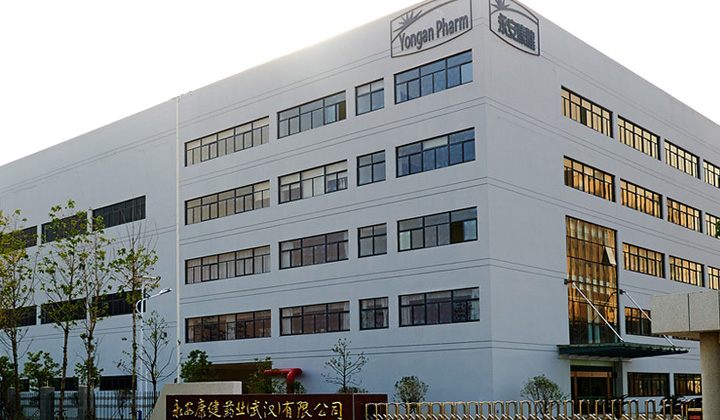
Yongan Kangjian Pharmaceutical (Wuhan) Co., Ltd.
2026-04-21

Yongan Kangjian Pharmaceutical (Wuhan) Co., Ltd.

 Every day we come into the plant, it is clear the pharmaceutical industry is in a stage that’s equal parts tradition and reinvention. Yongan Kangjian Pharmaceutical (Wuhan) Co., Ltd. offers a story that resonates with many in the field. As a company rooted in Wuhan, a region already known for its scientific backbone and skilled lab workforce, it signals a push from China’s heartland to the world’s pharmaceutical supply. Their journey serves as a mirror for many manufacturers operating in the country—navigating the layers of national regulation, international standards, and the unique on-the-ground realities. We know first-hand how much patience and technical understanding it takes to expand a portfolio or scale quality consistently. Yongan Kangjian’s choices illustrate both the pressure and pride involved in building reliable product lines that carry weight far beyond the loading bays.  Inside the lab or across assembly lines, genuine quality control never comes from paperwork alone. Years spent dealing with both domestic and global partners have shown that robust procedures—like regular equipment calibration or meticulous solvent handling—save companies from costly setbacks and build a rare reputation for reliability. Yongan Kangjian’s focus on the pharmaceutical sector puts them at the intersection of raw chemistry and human health, where oversights have real-world consequences. We’ve seen companies trip up when they cut corners or lean too hard on third-party certification without internal checks. Direct manufacturer-to-patient responsibility is a heavy load; it requires deep understanding of each batch, not just finished goods, but also the raw materials. Sourcing matters: chain of custody, supplier selection, and incoming QA are not just bullet points but daily practices. Lessons learned on faulty lots, recall events, and simmering compliance pressure have fostered a culture among established manufacturers that tolerates little guesswork.  China’s regulatory climate has been tightened, especially after the COVID-19 pandemic. Real compliance is more than a finished certificate; it starts with the procurement department and follows all the way to the end-user. Our engineers frequently dig into SFDA policy updates and keep an eye on standards such as cGMP and sometimes even stricter requirements set by the export markets. In Yongan Kangjian’s case, their experience scaling up production during changing times offers an important lesson: the difference between technical compliance and practical consistency often comes down to people’s skills, from senior chemists to line supervisors. An investigator’s surprise check will catch what a desk auditor might miss. Practical drills—like batch simulation, documentation audits, and unannounced crisis tests—show whether a plant really understands traceability, contamination risks, and change control. The reality is that every manufacturer faces growing documentation burdens, yet the smart ones have learned to treat these as tools rather than obstacles. Digitalization—like real-time batch tracking and automated temperature logging—has freed up time for actual troubleshooting on the floor rather than being buried in paperwork.  Years of exporting have taught us that trust is slow to build but easy to lose, especially when supply chains stretch from central China to the Americas, Europe, or Southeast Asia. Product recalls or customs delays underline the importance of predictable, well-documented processes. We have visited plants outside Wuhan where shipments face new analytical method demands or a sudden regulatory update stops product at the border. Clients want more than just certificates; they call for proof of stability, chain-of-custody details, and direct visibility into supplier practices. Yongan Kangjian’s climb onto the global stage will require not just ticking export boxes, but demonstrating in practice—batch after batch—that quality and safety protocols run deeper than compliance forms. Even the final leg—secure, climate-controlled distribution—tests a manufacturer’s real-world commitment. Outsmarting counterfeiters, securing packaging, and managing recalls demand robust systems, not just words. Those lessons aren’t abstract; they shape daily decision-making across procurement, production, distribution, and customer service.  Staying competitive hinges on adapting to new science and technology while still hitting exact specifications under tight operational budgets. The push for continuous process improvement, real-time data sharing, and stronger analytical verification all stems from the unique operational challenges of working as a direct producer. Transitioning to new production lines, integrating automation, or qualifying new excipients require more than procurement approvals; hands-on validation steps matter most. Operators face direct exposure to hazards—like solvent residues or airborne particulates—so real investments in PPE and plant ventilation directly affect both staff health and product outcomes. Yongan Kangjian places itself among companies ready to invest in such changes as a way to maintain product integrity and attract reputation-minded clients. We have learned that investing in technical workshops, employee cross-training, and in-house troubleshooting teams keeps problems small and prevents costly shutdowns. Equipment upgrades—be it better filtration, HPLC units, or powder handling—may not sound dramatic but often mean the difference between a recall and a reputation-saving batch.  Pressure to produce more and faster sometimes clashes with the need for responsible environmental stewardship. Direct manufacturers bear the brunt of what happens if regulatory agents find improper waste treatment or unsafe emissions. Automation can help, but investment in closed-loop solvent recovery, water recycling, and dust collection brings visible improvements. We have seen the shift from old-style, waste-heavy operations to greener production achieved step by step: waste tracking audits, batch-specific effluent monitoring, and real engagement with local communities. Yongan Kangjian’s location in Wuhan brings added scrutiny, since the region has experienced both major industrial growth and high-profile incidents. Building positive relationships with local communities means open reporting—like sharing emission data or allowing regular public inspections. More seasoned manufacturers have found that transparency goes further than slogans, and environmental failings quickly damage both export potential and domestic goodwill.  Direct manufacturing in pharmaceutical chemicals is not a comfortable business. Risks, margin pressures, shifting global politics, and accelerating science combine to create a tough everyday environment. Companies like Yongan Kangjian Pharmaceutical (Wuhan) Co., Ltd. remind us what it means to earn trust through real expertise and daily discipline. They face the same auditing, documentation, and operational challenges seen across the industry—not just as boxes to check, but as the fabric that holds long-term business together. Success comes not from slogans, but from years of groundwork; strong internal standards; partnership with skilled staff; and a willingness to correct mistakes quickly. Regulatory changes, international trade frictions, or unforeseen supply interruptions will keep testing every manufacturer’s resilience and readiness. Meeting these challenges requires continuous learning, honest assessment of plant practices, and commitment to meaningful improvement. Our own journey reflects the same lessons—whether in scaling production, safeguarding quality, or building trust from the ground up. Mobile: +8615380400285 E-mail: sales2@liwei-chem.com Website: www.yongan-pharmaceutical.com

Read More
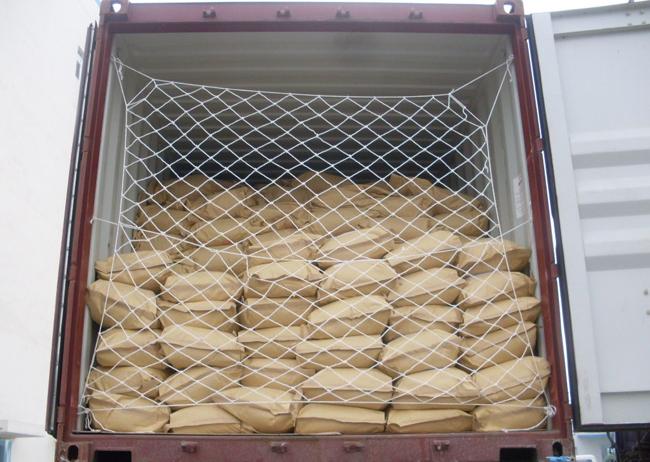
Hubei Lingan Technology Co., Ltd.
2026-04-21

Hubei Lingan Technology Co., Ltd.

 Experience in chemical manufacturing teaches tough, real lessons every quarter. Markets don’t pause for warnings, and neither do customers who demand solutions, not excuses. Watching Hubei Lingan Technology Co., Ltd. adapt and respond lately speaks volumes. For those of us who spend our decades refining process controls, seeking both quality yields and operational safety, one fact remains: a Chinese manufacturer able to maintain stable output and steady pricing during unstable times gains hard-earned respect. Reports now highlight Hubei Lingan Technology’s ability to streamline bulk production with impressive batch-to-batch consistency. For chemical production, this trait goes beyond simple marketing—this is the frontline of customer loyalty. Every scaled process brings fresh logistical headaches, from raw material sourcing through finished product storage, and a consistent batch means time won’t burn away in troubleshooting or re-calibrating. Some firms cut corners to maintain volume, but keeping both purity and throughput high over successive years marks a company that invests heavily in operator training and equipment upgrades. From our shop floor, you notice which manufacturers dodge contamination and which let it creep in, no matter how glossy the brochure appears. Hubei Lingan’s reputation signals a robust maintenance culture and a rare ability to respond nimbly to client-driven changes without production hiccups. As global supply chains get shakier, many manufacturers face shipping delays, customs headaches, and foreign exchange volatility. Suppliers holding decades of experience often prove less vulnerable. In Hubei Lingan’s case, their direct relationships with input producers and flexible logistics networks shrink downtime and sidestep shortages. A plant capable of negotiating bulk purchasing agreements for solvents or reagents reduces spot-price exposure, and those savings often pass down the value chain. Anyone handling procurement contracts welcomes a partner who won’t disappear when rails clog or currencies lurch. It’s easy to underestimate how much headache this solves until a cargo delay grinds your schedule to dust. Spotting Lingan’s track record here hints at broad operational maturity—another quality sorely missed in too many over-leveraged outfits. Environmental regulations get tighter each year, inside China and externally. Factories without investments in emissions controls or waste recycling face more than government fines; they risk permanent loss of export licenses and diminished access to credit. Long-term chemical producers must upgrade not just stack scrubbers but all points of effluent handling. Manufacturers who operate under a microscope develop a tolerance for audits, and it often shows up in chemical profiles: trace contaminants drop, reproducibility rises, and waste load shrinks. For us, a supplier taking continual re-certification seriously offers better long-term security. The word among industry colleagues is that Lingan has devoted real capital to these upgrades, working in step with regulatory agencies right as compliance norms harden in North America and Europe. If direct buyers start seeing streamlined customs and quicker clearances, this investment pays off more than annual marketing campaigns. Talk to anyone managing chemical inventories and the same issue emerges: trust forms slowly, collapses quickly. Beyond price and paperwork, confidence grows only when shipments arrive on time, as described, and without sudden deviations. Reputation in our sector takes years to earn, sometimes only a single container to lose. Hubei Lingan’s regular clients tend to re-order, a clear sign that service and transparency match up to the technical claims. Technical sales teams on their end seem properly briefed and capable of addressing issues without resorting to excuses or ambiguous promises. Our industry rewards clarity. If a purity claim falls, we see it on lab reports the next week and expect the supplier to respond constructively, not evade responsibility. Lingan’s approach has, thus far, kept the cycle smooth and predictable for partners downstream. Technical support marks another separating line between producers worth long-term contracts and those worth only spot buying. A manufacturing partner who can walk your team through formulation adjustments or suggest tweaks to avoid production downtime adds measurable value. Clients juggling demanding sectors—pharma, coatings, agrochemicals—need suppliers who can tailor supply forms, particle sizes, and delivery regimes. The best chemical producers invest in R&D and pilot work, enabling precise product shifts aligned to evolving client lines. Lingan’s documented history backing technical queries with qualified staff and detailed certificate-of-analysis data positions them as a valuable backroom partner, not just an anonymous name on an invoice. The chemical sector faces deepening pressure to prove stewardship, not just compliance. Every year brings a sharper focus on carbon footprints, waste minimization, and product stewardship. Clients want evidence that suppliers run cleaner processes, not just that they meet baseline emission limits. This is not a trend to ignore. Boards and auditors ask difficult questions—traceability, GHG accounting, lifecycle impact. Facilities like Hubei Lingan that already invest in closed-loop processes and solvent recovery gain an edge. These traits let us, as partners, back up our own environmental claims to customers. Environmental credentials are not just a ‘nice to have’ but a condition of new project awards in more global markets. Lingan’s operations have apparently passed third-party audits required to access certain regulated export markets, a hurdle not all regional competitors have cleared. This kind of steady, quiet progress often tells the deeper story—the willingness to future-proof operations. Looking at workforce development, seasoned chemical manufacturers live and die by their plant staff. A trained operator can spot a valve leak, a process drift, or a packaging oddity before it gets expensive, dangerous, or both. The public does not usually see this work, but those of us in management know turnovers and under-staffing tank yield and lead to accidents. Facilities like Lingan that keep experienced personnel engaged and actively build skills deliver more predictable product and fewer emergencies. This institutional knowledge, impossible to fake with glossy brochures, explains why some plants get the nod for complex jobs and others do not. A stable team running shifts day after day, with low incident rates and years logged on critical units—this is the true test of operational excellence and customer confidence. Globally, chemical business models are changing. Buyers expect more transparency and accountability all down the supply line. Regulatory regimes want clearer labeling and environmentally safer intermediates. Volatility, in both energy and logistics, won’t let up. Only companies demonstrating deep knowledge and responsiveness stand out in this shifting ground. Hubei Lingan’s current direction has closed some significant gaps—consistent quality, timely deliveries, process transparency, and a sharpened focus on responsible production. As a direct manufacturer, watching the lessons play out at Lingan serves as a reminder: steady wins racing against volatility, and those investments in people, equipment, and openness bury temporary price wars in value for the long haul. Areas to watch start with continued technical and regulatory collaboration. Sharper customer requirements in terms of both purity and environmental compliance will only rise. Manufacturers open about raw material provenance, batch genealogy, and energy consumption track these demands best. Foresighted firms will double down on digital tracking, end-to-end audit capacity, and direct client support for specialty formulations. Faster adaptation to end-user trends, paired with expanding capacity for greener chemistry and clear lines of communication, will mark the survivors. For those of us producing in an era where nothing stays static for long, it pays to keep an eye on innovators like Lingan, because what lasts gets built from skill, not slogans. Mobile: +8615380400285 E-mail: sales2@liwei-chem.com Website: www.yongan-pharmaceutical.com

Read More

Qianjiang Yongan Pharmaceutical: Professional Manufacturer of JP8 Grade Taurine
2026-04-24

Qianjiang Yongan Pharmaceutical: Professional Manufacturer of JP8 Grade Taurine

 At our plant in Qianjiang, Yongan Pharmaceutical’s focus on JP8 grade taurine production comes from decades of hard-earned experience in the fine chemicals world. The discipline of manufacturing taurine to such a precise grade doesn't just rest on technical know-how; it takes a production culture built on rigorous standards and steady investment in purification, reaction control, and analytical monitoring. We draw on the history and cumulative expertise of chemists and plant operators who know each step of the process, from raw material sourcing, through the intricacies of sulfur and amination pathways, down to the vigilance in drying, milling, and final packaging. What sets our product apart is not only high-purity output but also attention to reproducibility and long-term supply reliability. Customers from leading pharmaceutical houses look for that track record, and our team’s hands-on problem-solving gains credibility only with years of consistent operation. Maintaining this reputation means we watch every part of production with eyes wide open, not just for compliance but for the integrity and consistency that get our name requested in tender lists worldwide.  Pharmaceutical-grade taurine, particularly at JP8 specification, carries a stringent set of demands from Japanese and international pharmacopeias. Those requirements push us to treat quality control not as a last step, but as something interwoven with every batch. Our analytical teams apply HPLC and GC methods calibrated to the tightest thresholds possible, regularly aligning with pharmacopoeial updates and customer audit results. Contaminant risks, whether elemental impurities, residual solvents, or by-products, receive close tracking with validated methods. We continually update our manufacturing guides and employee training, making sure our daily practice matches both written standards and the expectations of the therapeutic fields that rely on our taurine. Keeping validation files current isn’t a paperwork exercise—it becomes a living record of the plant’s operational reliability and quality philosophy. Every lot shipped carries not just a batch number, but also the direct work of chemists, QC inspectors, and batch reviewers who stand by the document trail and analytical profile.  Actual challenges come from what happens inside the plant, far from the polished boardrooms where so many policy decisions get made. Process water quality changes by season, and temperature swings in our region force adjustments to reaction times and energy management. Feedstock prices press upward, and we need to defend our yields against batch-to-batch variance. Traceability starts with barcoded inputs, but only operators familiar with the physical cues of a reaction can spot minor deviations before measurements flag them. Investments in new reactors or analytical tools reveal their payback only after a year or two of clean, problem-free runs. Most of the improvements in our output didn't come from external consultants, but from the plant teams working in the heat and noise to find the small tweaks that raised yield and purity. Partnerships with long-term customers provided input that sharpened our focus on storage, shelf life, and shipping, resulting in taurine quality holding above prescribed levels even after months in varied climates. That kind of performance grows from respect for the chemical, the process, and each professional handling it.  Competing in the JP8 taurine market pushes us to evaluate not just immediate batch costs, but also deeper process risks and long-term improvement opportunities. Energy conservation matters, since taurine manufacturing draws significant heat and power—our facility engineers keep pressure on utility suppliers for stable and clean input, tracking not just bills but also the carbon profile. Regulations continue to shift, especially with authorities asking for more transparency around process by-products and environmental permits. Responding means ongoing projects to cut nitrogen emissions, reuse water, and capture excess heat. Worker safety represents another front: reducing exposure to chemical dust or managing shifts so fatigue doesn’t threaten judgment. Hard lessons from minor incidents or near-misses led to stronger in-house safety drills and better airflow engineering; those investments are visible as lower incident rates and better retention among skilled staff. Across all these fronts, continuous improvement holds more meaning than just a quality slogan. With each round of market or regulatory change, we respond the way a manufacturing team should—by carrying forward practical measures that endure both surges and setbacks in the industry.  Building trust with global buyers asks for more than an advertised specification sheet or a shelf-stable product. Frequently, our customers' technical teams ask for detailed CoA data, method validation summaries, and the finer points of our stability programs. In many cases, we host delegates for on-site audits, walking them through production lines and answering their questions on the spot—no sales gloss, just a tour led by operators who translate equipment performance into real-world guarantees. Issues do arise, including requests for documents that don’t directly fit a customer’s country-specific templates; we handle those through open dialogue, sometimes providing primary lab data, sometimes showing full trace logs. The world of pharmaceutical raw materials has grown more complex, where trace evidence of plant performance and responsiveness to regulatory news shapes contract renewals and customer scorecards. We regard this as both challenge and opportunity: sustained transparency about how JP8 taurine gets made opens the door to lasting partnerships, not just price-driven transactions.  JP8 grade taurine finds itself at the intersection of tradition and innovation. While its use as a dietary supplement ingredient remains familiar, the growth in infusion solutions, specialized nutrition, and even high-value cosmetics has raised new traceability and performance requirements. Customers now expect full documentation for pharmaceutical development, including impurity profiles and long-term stability. As a manufacturer, we engage directly with their R&D teams on custom solution requests or tighter analytical signatures. This level of technical dialogue and adaptation isn’t possible if the plant runs on autopilot. Our internal systems grow because we know the questions will keep coming—what materials, which batch records, how do we guarantee absence of critical allergens, how do we show ongoing qualification at each part of the chain. Addressing emerging requirements means integrating feedback early and not hesitating to challenge ourselves to revisit processes that seemed mature a decade ago. Flexibility grows out of confidence in the basics, matched with curiosity to see how taurine can fit next-generation health and wellness needs.  Manufacturing JP8 grade taurine at Qianjiang Yongan Pharmaceutical reflects a balance between ground-level expertise and the must-haves of compliance, safety, and market reputation. Progress happens through genuine teamwork, hard lessons, and a shared desire for better output, not from abstract slogans. Each ton shipped out of our facility builds on real world experience and a constant willingness to learn and adapt. Staying competitive takes more than making a high-purity product. It asks for open doors, open communication, and a commitment to continuous improvement grounded in years of on-the-floor work. Such foundations form the only reliable way to earn—and keep—the market’s trust in a specialty material as vital as pharmaceutical grade taurine. Mobile: +8615380400285 E-mail: sales2@liwei-chem.com Website: www.yongan-pharmaceutical.com

Read More
What Is The Latest Yongan Pharmaceutical Taurine Price?
2026-04-24

What Is The Latest Yongan Pharmaceutical Taurine Price?

 Price shifts for Yongan’s taurine matter to us like they matter to anyone sourcing ingredients for pharmaceutical and food-grade production. As an experienced taurine manufacturer, nothing shapes our planning and procurement more than a spike or drop from major producers. Yongan stands as China’s largest taurine exporter, and due to this scale, its price signals reach deep into the worldwide supply chain. Anyone committed to long-term production stability notices those signals straightaway. Last quarter, we observed a clear upturn in spot prices coming from both domestic trade reports and feedback from our partners in food and beverage. Tianjin port saw more demand orders, and inquiries at stock points in Southeast Asia climbed quicker than last spring. These numbers translate directly to our bottom line, since raw taurine makes up a significant input cost. Small movements—sometimes just a few percent on a tonne price—calculate into meaningful differences across multiple metric tons per month. For operators with thin margins, these changes demand a response, either in purchasing cycles or customer agreements.  Yongan’s dominance comes from consistency and, frankly, its ownership of vertical integration from raw sulfur to finished taurine powder. Their investments in continuous synthesis and purification, plus robust logistics, set the standard for global pricing. Many smaller players rely on spot procurement from secondary brokers who anchor their offers to Yongan’s official numbers. Our purchasing desk tracks these movements closely, connecting with other direct manufacturers and monitoring published price sheets whenever the company updates them. Spot exchanges sometimes reflect the real traded price better than any public index, due to contract lags and bonus conditions. In the last six months, environmental crackdowns in China tightened the availability of precursor chemicals for all domestic taurine producers. Authorities raised emission standards for sulfur-based plants, reducing output. That trimmed inventory and supply, helping push prices higher. We live those changes firsthand. Each raw material hike pressures us to optimize yields, stretch inventories, and renegotiate with our own sub-suppliers.  A taurine formulation plant does not simply absorb volatility. When a core supplier like Yongan moves the market, we navigate real choices: delay delivery, ramp up current output before another cost jump, or engage in hedging strategies through forward contracts. Our product managers meet weekly to review not just Chinese trade exchange data but also export declarations and demand estimates in energy drinks and pet nutrition. Some customers expect fixed prices for quarters at a time. Rapid cost adjustments mean we either renegotiate or accept thinner margins, which can challenge relationships built over years. Smart clients partner with us in risk sharing, because supply shocks tend to linger. During last winter’s transport bottlenecks, logistics prices doubled for certain outbound lanes, compounding the raw material surge. Every facet, from drum procurement to finished lot storage, absorbs part of this chain reaction. It proves that decisions in Yongan’s pricing office don’t just stay on that side of the world; they land on our shop floor and ripple into dozens of end-user formulations.  Market talk can get noisy, full of rumors about shutdowns, questionable quality lots from fringe plants, or sudden surpluses as secondary factories liquidate stock. We value fact over hearsay—regular testing on multiple incoming taurine lots, open lines of communication with Yongan and other core suppliers, and periodic plant visits keep us grounded. Regulatory scrutiny complicates the picture; tightening residue tolerances or batch documentation requirements at the country of destination affect the economics of every bulk order. As compliance costs creep up, the landed price from the source grows less predictable. Seasoned teams like ours invest in both information and operational rigor, pivoting quickly when price curves bend against expectation. We have seen customers benefit by working closely with our production planning to time purchases during periods of relative calm, rather than chasing headlines. For us, every yuan shift in base price carves into the realities of batch size, order frequency, and sometimes even product reformulation. This hands-on approach, one honed by years of close supplier relationships and front-line production challenges, makes theory real.  Solutions go deeper than holding stock or speculating on future rates. We keep close ties not just with mills but with chemical engineers and logistics teams all along the line. Collaboration allows preparations for supply disruptions before they happen. Regular internal audits reveal potential process changes that squeeze just a bit more out of each batch, so we stretch every ton of material without sacrificing specifications. Sometimes, we stagger procurement among several key suppliers, even if one appears cheaper for a run—spreading risk keeps us from being cornered. Building transparency into our negotiating cycles with long-standing partners pays off during turbulent periods; open books regarding cost structures build trust and maintain continuity when spot prices start to soar. Our years operating in volatile commodity landscapes mean we don’t simply chase the lowest price. Instead, we favor reliability and traceability, so product consistency doesn’t waver even if the cost per kilo fluctuates. Down the line, this consistency builds confidence with our own customers, who count on us not just for punctual shipments, but for the security that their supply won’t vanish mid-campaign.  Dynamics in the taurine market never stand still. Yongan sets the tone, but the story includes feedback from feed-grade and pharma-grade buyers, regulatory news, logistics, and the shifting rhythms of the global economy. Costs may lean higher under tight supply and stricter compliance, yet sharp thinking by manufacturers carves a path through the noise. Direct relationships, technical expertise, and the willingness to adapt help us as a producer navigate this landscape with calm clarity. Each turn in pricing tells a real-world story—a sudden vessel delay, a crackdown on pollutants, a fresh export order from a global beverage giant. We work by keeping our hands on every lever, eyes on every metric that matters, and feet planted in experience, not just theory. Following Yongan’s next price change, our teams will be ready, because we’ve lived through the cycle before—and earned our place in the market by meeting these challenges head on. Mobile: +8615380400285 E-mail: sales2@liwei-chem.com Website: www.yongan-pharmaceutical.com

Read More
Qianjiang Yongan Pharmaceutical VS Other Taurine Manufacturers
2026-04-24

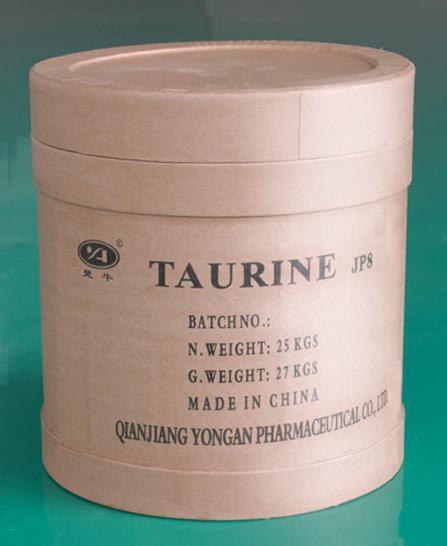
Qianjiang Yongan Pharmaceutical VS Other Taurine Manufacturers

 Taurine factories aren’t all identical, and that fact has shaped the way we approach quality, cost control, and global regulatory demands. Speaking from our own experience on the production floor and behind the scenes, the challenges and triumphs of manufacturing high-purity taurine reveal themselves in the day-to-day reality long before they appear on marketing sheets. We’ve watched as Qianjiang Yongan Pharmaceutical built a reputation backed by both production volume and international recognition. The sheer size of their output is hard to ignore, and for any manufacturer, this becomes a major reference point, raising questions about not only capacity but also the practical aspects of raw material sourcing, waste management, environmental impact, and logistics. Getting taurine into a bag is only half the battle—what matters just as much is how well your processes deliver batch after batch with consistent purity, tight spec compliance, and minimum deviations over countless metric tons.  You can run a lab assay a thousand times, but your real test comes when end users demand not only a certain assay number but low heavy metals, precise particle size, clean sensory profile, and absence of off-odors or residual solvents. We must train every technician to identify visual cues, monitor subtle temperature drifts during synthesis, and troubleshoot unexpected spikes. It’s easy for outsiders to recite purity numbers or point to adherence to international pharmacopoeias. In practice, achieving this across every shift is what puts separation between seasoned producers and companies new to the market. With Qianjiang Yongan, their scale means impressive automation and extensive in-house testing. Still, smaller and mid-sized manufacturers like us have some advantages in agility. We make process changes fast, remembering customer feedback or recalibrating upon discovering a lab result is drifting a tenth of a percent. Scrupulous attention to minor parameters—moisture, residue on ignition, chloride levels—often drives the loyalty of customers who’ve learned to expect more than the minimum standard.  Meeting GMP, FSSC, ISO, or USP standards for every kilogram hasn't grown any simpler. Qianjiang Yongan’s reach into markets in North America, Europe, and beyond sets high expectations across their production lines. Large companies rely on robust documentation, validation, and digital batch tracking. Their presence smooths regulatory audits, yet the massive scale can amplify the impact if something goes wrong—one recall or deviation involves significant volumes and cross-border coordination. Smaller manufacturers have to anticipate every possible question from a visiting inspector: traceability from starting materials to final drum, real-time monitoring logs, and public transparency records for effluent and safety. There’s a pressure to keep up not only with on-paper requirements but also environmental commitments. We invest heavily in emissions controls, recycling of process water, chemical containment, and scrubber systems, all because buyers and downstream users demand assurance not just in product purity but in eco-responsibility. Making taurine without considering these broader impacts misjudges what it takes to keep a global customer roster.  Low margins define this industry even as more taurine applications enter the nutrition, energy drink, feed, and pharmaceutical sectors. High-volume producers leverage raw material contracts and economies of scale, holding an edge on bulk pricing and shipping. But the price pressure ripples through the chain. In an environment with sharp cost competition, we have to look beyond the drum price per kilogram and focus on protecting our partnerships. Customers care about reliability—missed deliveries upset their own schedules and can lead to lost orders or forced reformulation. We’ve found honest communication matters: sharing production forecasts as early as possible, flagging any shipment delays weeks in advance, updating customers on regulatory changes that impact documents and customs clearance. At Qianjiang Yongan’s level, a global team handles logistics, planning, and after-sales support day and night to maintain control across dozens of countries and customers. Smaller producers like us cover these bases with direct lines between labs, operations, and client managers—sometimes winning business not only for price, but because urgent requests or small-lot customizations receive individualized attention from our technical and commercial staff.  Every taurine maker has to adapt or risk fading under the weight of new competitors and stricter regulations. Technology keeps evolving: more sustainable chemistry routes, improved crystallization, advances in energy efficiency, and even new packaging that trims down weight for high-speed logistics. We weigh R&D investments based on both market demand and what our own field experience tells us about what actually works. Qianjiang Yongan often leads with substantial funding for process optimization and new equipment, driving down costs and boosting headline consistency. Other producers pick their battles, focusing resources on niche applications or specialty taurine grades—some optimized for aquafeed, others for premium beverage or pharma standards. The heart of this cycle is customer trust. Retaining trust in a market where buyers have choices and the means to test every shipment drives our obsession with transparency, technical support, and constant improvement—never hesitating to admit a mistake or issue a credit if a batch falls short.  Supply chains grow more tangled each year. Political shifts, trade tariffs, and raw material shortages can send shockwaves across the industry. Qianjiang Yongan’s vertical integration and scale buffer some shocks, but every supplier, ourselves included, faces these pressures in different ways. We maintain backup suppliers, invest in relationship-building with logistics partners, and prepare for regulatory curves with constant monitoring. The taurine market has weathered false rumors, price wars, and surges spurred by animal nutrition or consumer awareness trends. No company operates in a vacuum, and even the biggest can be caught off guard by volatile conditions. Our long-term approach banks on flexibility, detailed risk mapping, and always making certain that technical staff—from operators to QA leaders—possess the expertise to keep production within spec even if a shipment of raw material arrives off grade or equipment needs emergency repair. Ultimately, it is this readiness to face both expected and unforeseen bumps that sets a capable taurine manufacturer apart, whether producing at the scale of Qianjiang Yongan or operating with a more focused footprint. Consistency, integrity, and a drive to solve real-world problems continue to define lasting value—day in, day out. Mobile: +8615380400285 E-mail: sales2@liwei-chem.com Website: www.yongan-pharmaceutical.com

Read More